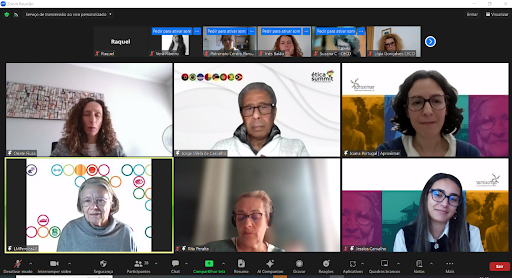
 During January, Aproximar (APX) carried out an awareness-raising campaign on the importance of physical activity for people with ID and especially for older people. This action allowed us to reach many interested people and professionals who wanted to know more about this subject. The webinar was held via Zoom, but was also transmitted on Facebook reaching a total of 52 participants. 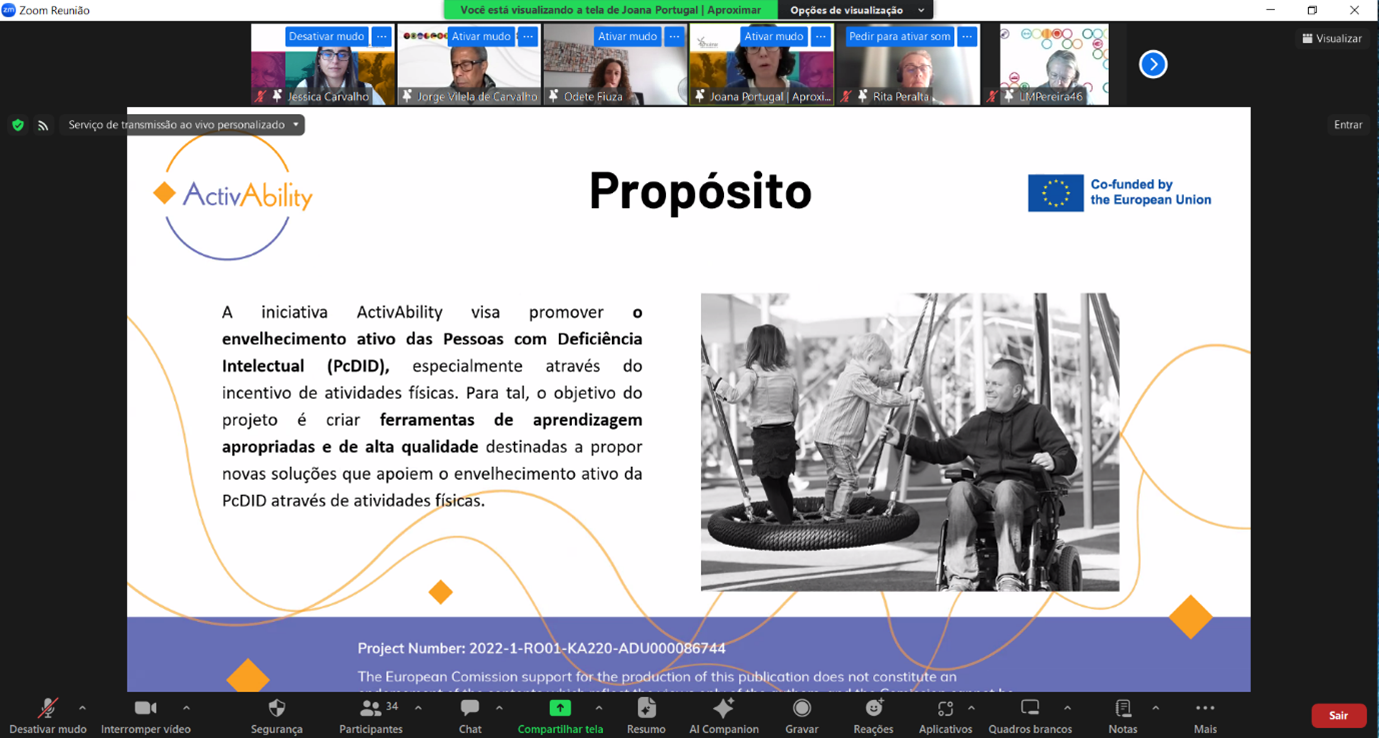 Speakers involved:
 The event made it possible not only to publicise the ActivAbility initiative, but also to bring together three leading experts in the field of promoting physical activity and sport for people with disabilities in Portugal.
The contribution of these experts was very important for the event, as they not only summarised the ActivAbility transnational report and the importance of its dissemination, but also the need to create public policies in Portugal to promote physical activities for older people with disabilities. There was also a round table where various topics were discussed, such as the need for specialised training in the area for professionals working with people with disabilities, in order to promote their active ageing, the need for greater inclusion of this group in the community and raising awareness among professionals of the need to adapt physical activities in favour of people with disabilities.
0 Comments
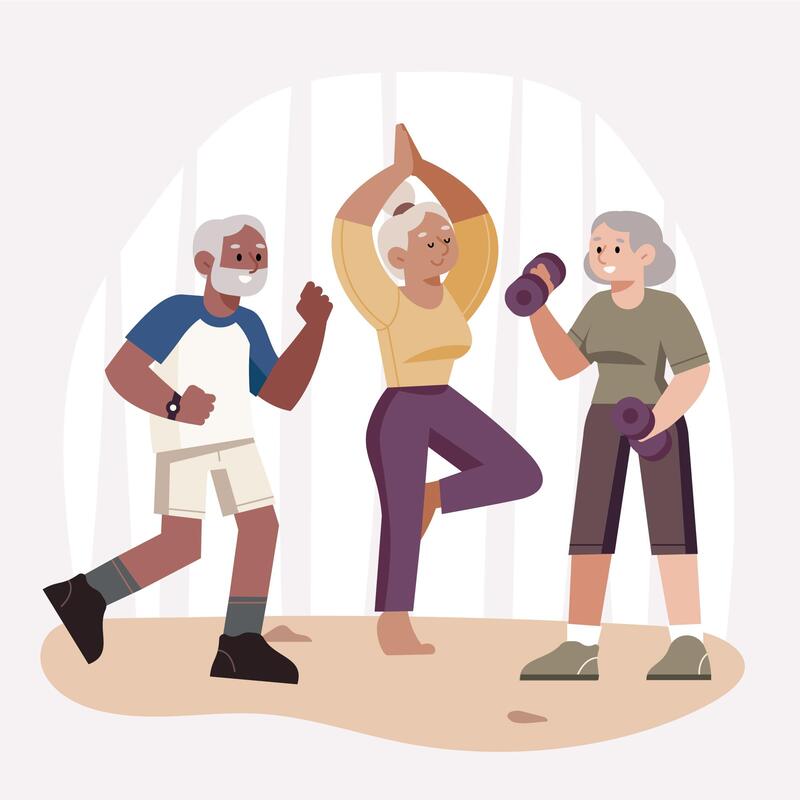 Illustration from: https://www.freepik.com/author/pikisuperstar The ageing process presents challenges for everyone; however these challenges are particularly pressing for individuals with Intellectual Disabilities (PwID). Due to the added difficulties they face in integrating with society, and their tendency to be situated on the fringes of social networks, their ability to participate effectively in society is often hindered.
Promoting active ageing for People with Intellectual Disabilities through physical activities The ActivAbility project emphasises the significance of physical activities in promoting the inclusion of older individuals with disabilities in society. By participating in activities, they can alleviate some of the daily challenges they face, as these activities not only keep their minds and bodies active, but also provide opportunities to expand their social networks. In harmony with the European priorities on inclusion and diversity, the project reinforces these objectives by:
The first result developed within the ActivAbility project is a transnational report on the practice of physical activities by people with intellectual disabilities in the countries of the organisations participating in the ActivAbility project: Romania, Italy, Portugal, Ireland, and France. The report is based on desk research on good practices regarding and laws and policies put into place in the consortium countries and on field research in the form of 90 semi-directed interviews with people with intellectual disabilities and social and sports professionals working with this population. 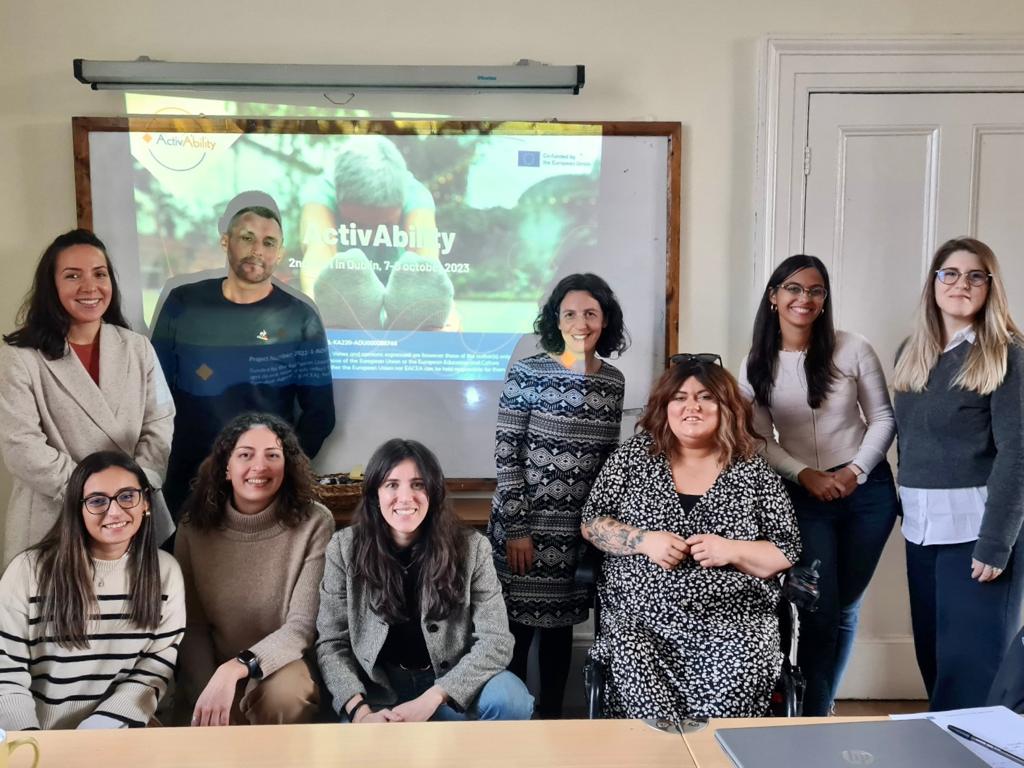 A warm greeting from Dublin!
We are excited to share with you the exciting moments of the recent meeting of the Erasmus+ ActivAbility project partners, held on 7 and 8 November in the beautiful city of Dublin. Special thanks to REDIAL for their warm hospitality! The project is dedicated to promoting active ageing of people with intellectual disabilities through physical activity. During the meeting, the partners had the opportunity to meet in person, exchange ideas and experiences and plan the next steps of the project. A valuable moment to create a more inclusive future! Among the expected results, a transnational report will soon be available on the current situation from the perspective of legislation and action on active ageing for people with intellectual disabilities. It will soon be available in all languages of the partnership, providing a global perspective on the challenges and opportunities associated with this topic. Looking forward, the next step of the project will be the creation of a manual dedicated to caregivers, a valuable tool that will provide resources and support for the development of interventions and actions to support physical activity for PwIDs. A sincere thank you to all partners who contributed to the success of this meeting and to REDIAL for its warm welcome. Together, we are building something precious! 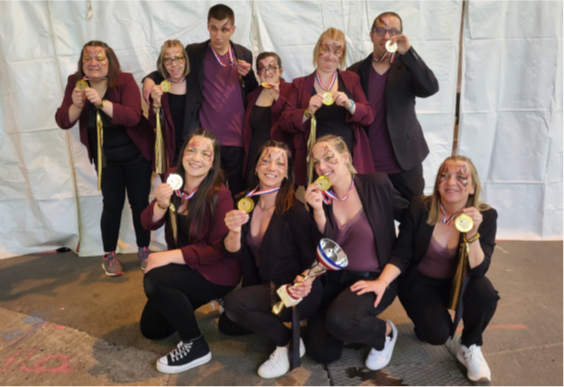 Last May, the danse company “Tous en scène” composed of residents with intellectual disabilities and educators from Afeji’s residential home Les Bazennes[1] won the national handidanse competition. This competition gathered almost a thousand dancers from all over France!
The "Tous en scène" group, made up of 10 dancers (7 people with intellectual disabilities and 3 professionals) completed the "Dance & Disability" training course at the AVIO Academy, a benchmark in the field of dance and inclusion. They even won the "coup de coeur 2023" prize, awarded by Cécile AVIO, founder of the French national Federation of Handidanse. "I cried because I was so happy", "we danced really well", "when are we going back on stage?", said Mélissa, Chloé and Alicia, dancers from the "Tous en scène" group, with pride and happiness. Congratulations to Inès, Mélisse, Chloé, Alicia, Clément, Nicolas, Manuelle, Laura, Johanna and Katy! ------ [1] Les Bazennes is a Residential Home welcoming and accommoding 49 adults with disabilities, the majority of whom are mentally disabled (different stages: moderate, severe and serious). Some residents have impaired personality and communication, or autistic disorders, motor and sensory impairements. 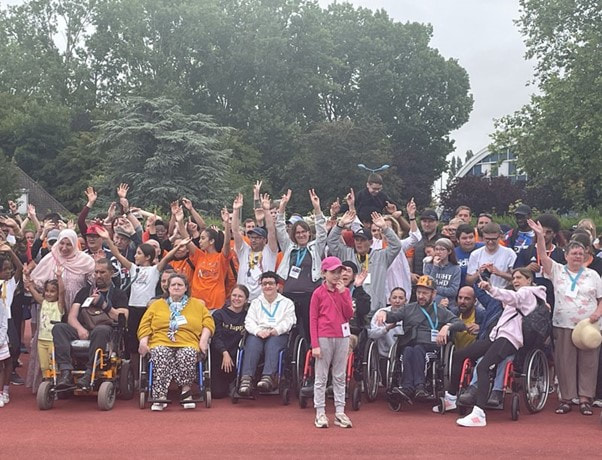 In June 2023, Afeji Hauts-de-France, our French partner, organised the second edition of its Olympic and Paralympic Games.
More than 500 supported people from Afeji’s establishments and partner associations took part in this inclusive sports’ event. People of all ages and physical conditions were able to discover and practice a wide range of sports, including soccer, gymnastics, boccia, rugby, basketball, kinball, cardiogoal, archery and blowpipe (for the people with disabilities). The event had multiple objectives:
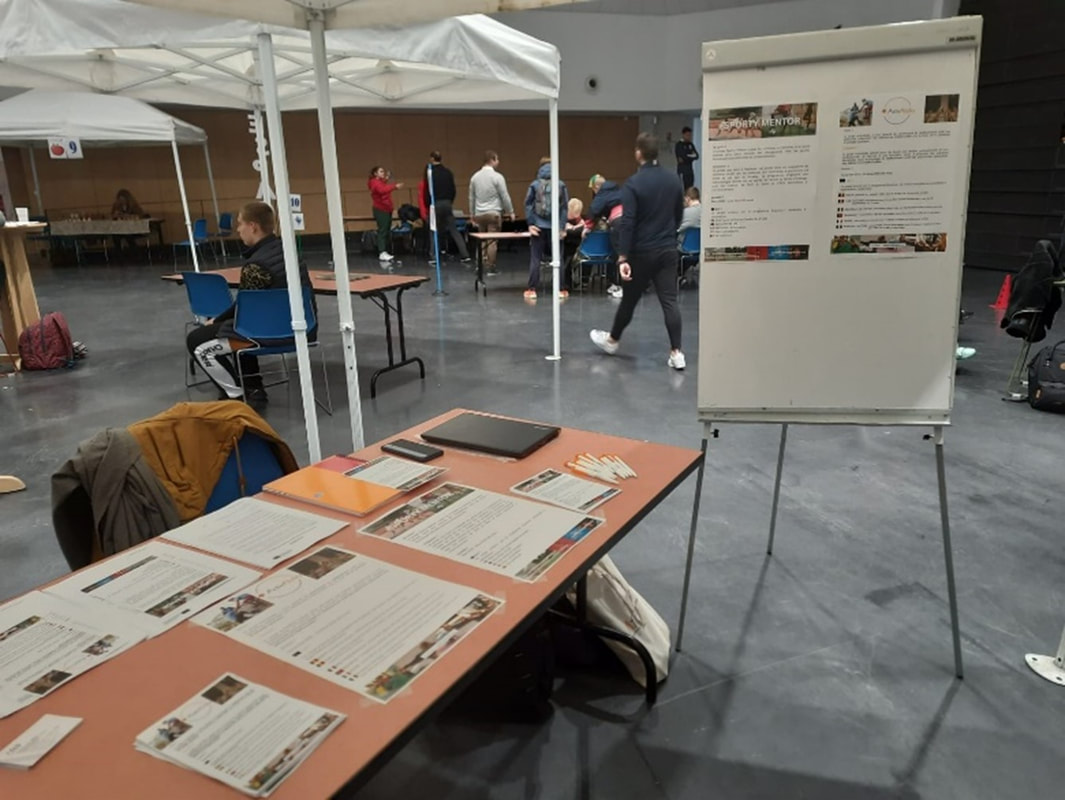 The Erasmus project’s stand where the interviews took place During the “Afeji Santé” event organized by Afeji Hauts-De-France on the 16th of March, Afeji’s ActivAbility team conducted 14 interviews with members of the project’s target groups:
The interviews were centred around the types of physical activities practiced by people with intellectual disabilities, the feelings they evoke among this public as well as their benefits. Professionals also expressed their needs and the difficulties they encountered during the implementation of physical activities. Answers collected during these interviews will be of great help to write a national report of the practice of physical activities by people with intellectual disabilities in France. This report will then be used, with national reports written by the other ActivAbility partners, to produce a transnational report that will help raise awareness on active ageing for people with intellectual disabilities through the practice of physical abilities. These interviews will also be helpful for the next steps of the project: the creation of an online manual and an e-learning course with digital solutions for active ageing of people with intellectual disabilities. 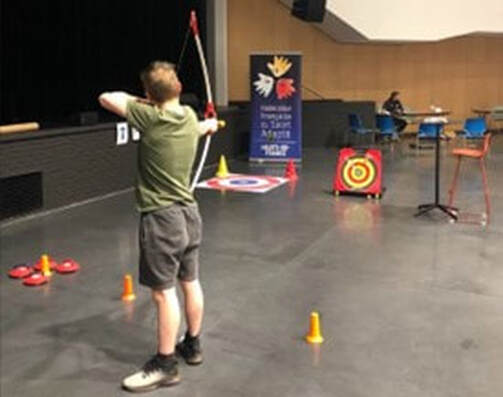 On the 16th of March, as part of the Culture and Sports Week organized by the Urban Community of Dunkirk, France, Afeji Hauts-de-France organized a day of activities: “Afeji Santé” based around physical activities, prevention and health.
During the event, 150 persons, including people with intellectual disabilities, accompanied by 50 professionals took part in a course of activities on sports and health:
|
 RSS Feed

This website has been accomplished during the project “COMPASS – Care Managers Leading in Person Centered Care ”, Grant Agreement no. 2022-1-IT01-KA220-VET-000085084. Funded by the European Union. Views and opinions expressed are however those of the author(s) only and do not necessarily reflect those of the European Union or the European Education and Culture Executive Agency (EACEA). Neither the European Union nor EACEA can be held responsible for them.